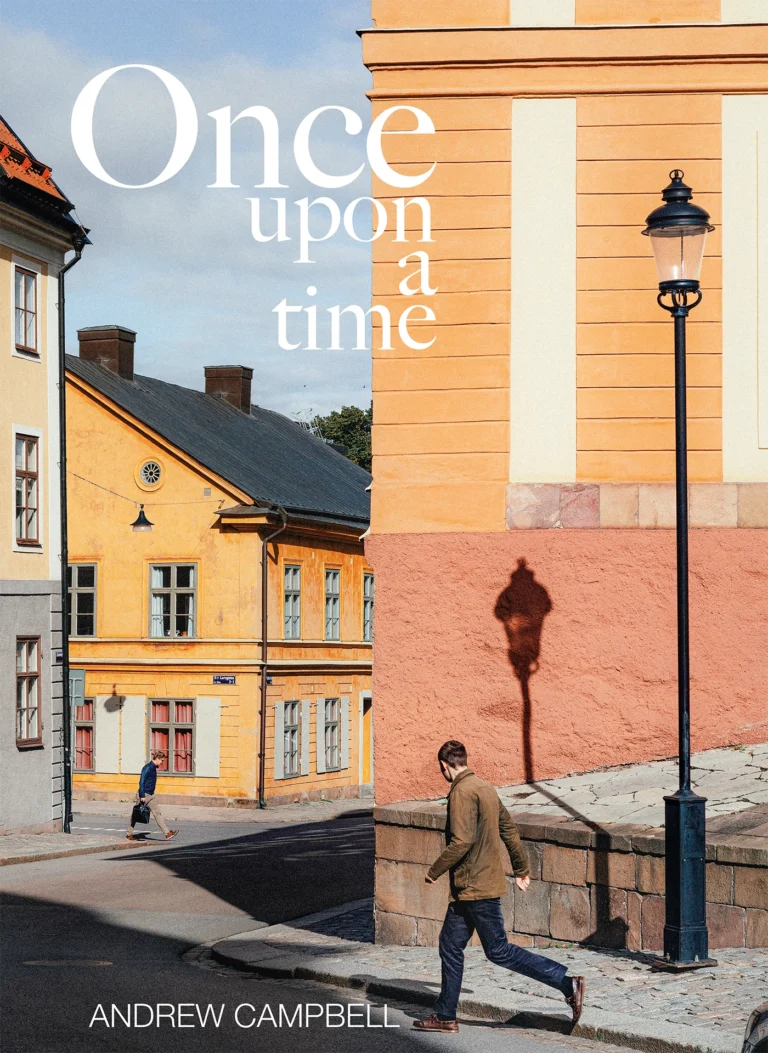
This is the text I had the pleasure of writing as an introduction to Andrew’s images:
“Once Upon A Time” is built upon a quiet tension: the one that exists between the present and the persistence of certain gestures, aesthetics, and rituals that seem to resist disappearing. Through his images,
Andrew Campbell captures this complex texture of contemporary society.
There is a form of nostalgia in this work that moves away from simple
idealized longing. Rather, it is a nostalgia embodied in the everyday, in what still survives without drawing attention to itself. As Mark Fisher noted, contemporary culture is marked by a kind of “retromania,” an inability to imagine futures not made from fragments of the past. However, Andrew does not merely illustrate this idea from a critical or pessimistic perspective.
Instead, he seems to find in these temporal remnants a form of comforting tenderness.
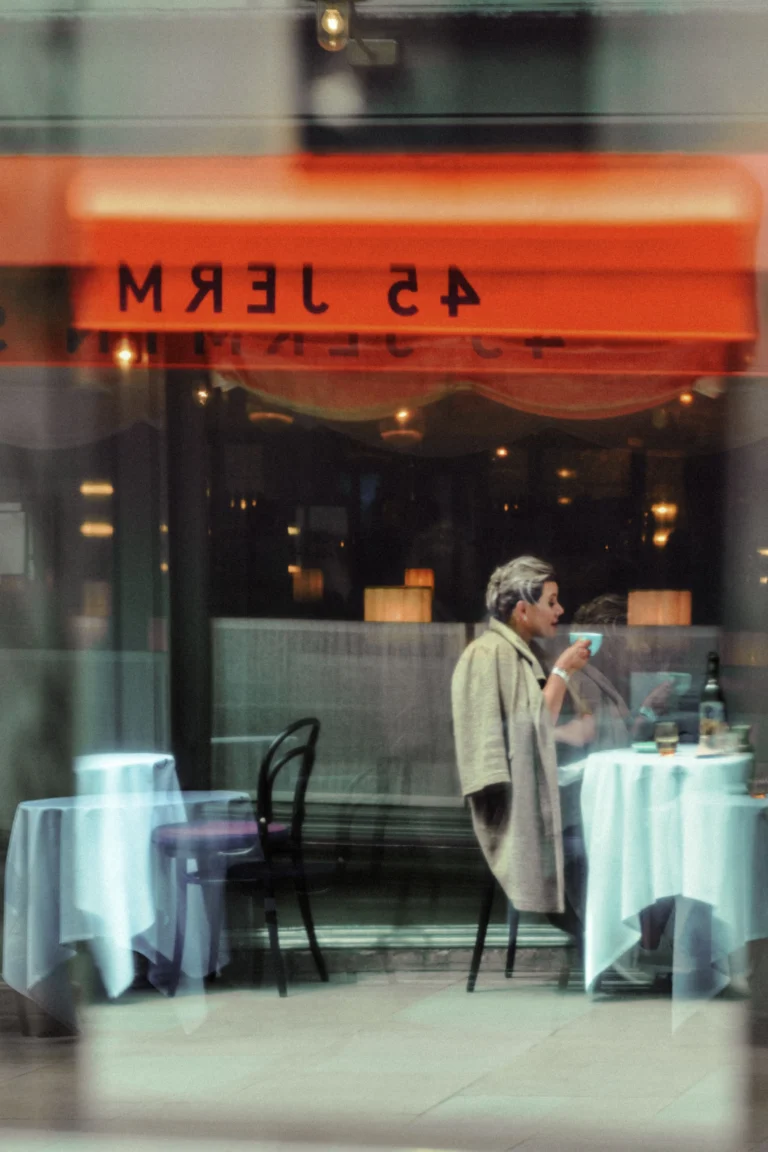
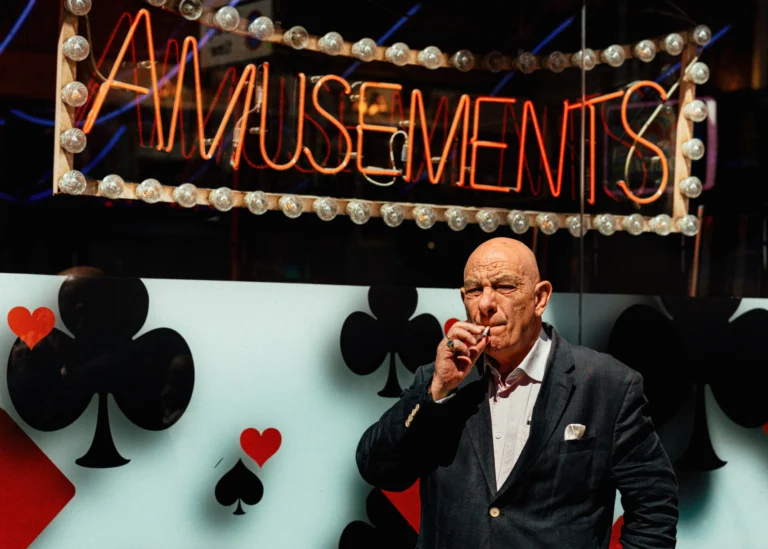
His photographs do not document a city looking backwards, but one that coexists with multiple times at once. The characters inhabiting these images—people reading newspapers in old cafés, dressed with an out-of-time elegance, or simply holding a gaze charged with intensity—are not
anachronisms, but presences that reveal the fragility of the present moment.
“Once Upon A Time” thus becomes a journey where the nostalgic is not a
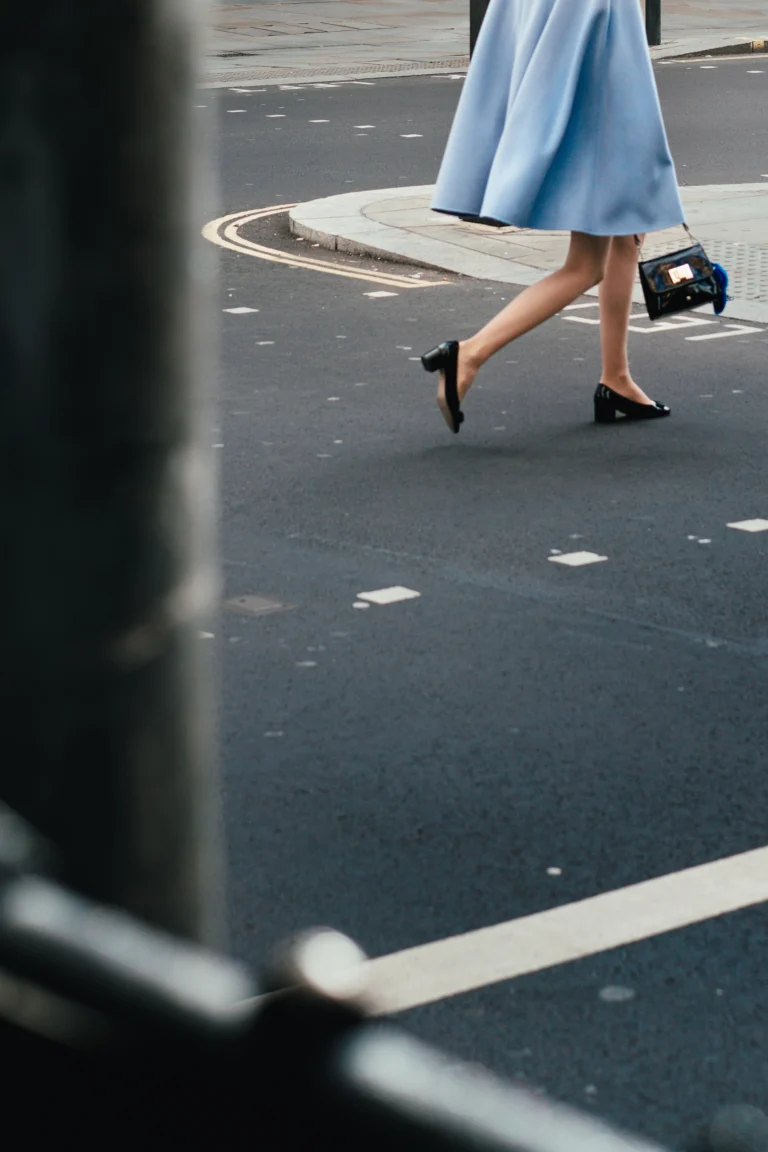
refuge, but a tool for observation. Andrew invites us to pause on what would normally go unnoticed: a gesture, a light, a seemingly trivial scene that
nonetheless holds a deep emotional weight. It is in that space—between what is seen and what is felt—that the project finds its strength.
Far from nostalgia as paralysis, these images propose a way of observing. A way of looking at the present by acknowledging its layers and its scars, seeking delicacy where, at first glance, selfishness and superficiality seem to prevail.
Andrea Ratto